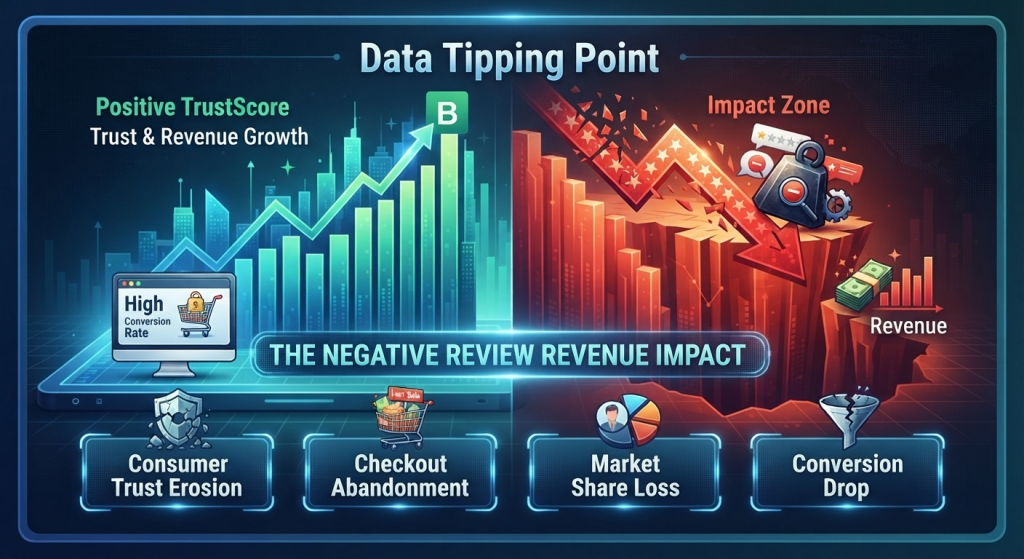
Google Reviews are customer ratings and feedback that appear on Google Search and Google Maps through a business’s Google Business Profile. They help potential customers understand a company’s reputation, service quality, and reliability before making a decision. For business owners, reviews are a key part of building trust, improving customer relationships, and managing online reputation.
A successful review strategy is not only about getting more five-star ratings. Customers also look at recent feedback, business responses, detailed experiences, and how a company handles problems. Understanding how Google Reviews work allows businesses to use customer feedback as a tool for growth.
What Are Google Reviews and Why Do They Matter for Businesses?
Google Reviews are public ratings and comments that customers leave about a business after an interaction or purchase. They may include star ratings, written feedback, photos, and details about the customer experience.
For businesses, Google Reviews provide social proof. They show potential customers what others experienced and help reduce uncertainty when choosing a product or service. A person searching for a local company often compares reviews before contacting a business.
Reviews also help businesses understand customer expectations. Positive feedback can highlight strengths, while negative feedback can reveal areas where service improvements are needed.
How Google Reviews Appear Across Search and Maps
Google Reviews appear in several important places, including Google Search results, Google Maps listings, and business profiles. When customers search for a nearby service, they can see ratings, comments, photos, contact details, and other business information.
Because reviews appear directly where customers search, they influence the first impression of a business. A complete profile with genuine customer feedback makes it easier for people to evaluate whether a business matches their needs.
How Google Reviews Influence Local SEO and Customer Decisions
Google Reviews influence how customers view a business and contribute to the overall local search experience. Reviews are one of many factors connected with local visibility, along with business information, relevance, location, and overall online presence.
A strong review profile does not come from chasing ratings alone. Businesses should focus on providing quality service, encouraging honest feedback, and maintaining consistent customer engagement.
Reviews as a Local Search Trust Signal
Local SEO helps businesses appear when customers search for nearby products and services. Google uses multiple signals to organize local results, including business relevance, distance, and prominence.
Reviews support prominence by showing public interest and customer activity. Factors such as review quality, consistency, and recent customer experiences help people understand whether a business is active and trustworthy.
Businesses should avoid focusing only on review numbers. A smaller collection of detailed, authentic reviews often provides more meaningful information than a large number of low-quality comments.
Why Customers Pay Attention to Ratings and Recent Reviews
Customers often look beyond the overall star rating. They want to know what recent customers experienced, whether the business provides reliable service, and how the company responds when issues occur.
Recent reviews help answer practical questions:
- Are customers still satisfied today?
- Does the business deliver consistent service?
- Does the owner respond to feedback?
- Are common problems being addressed?
This makes ongoing review management an important part of customer trust.
Preparing Your Google Business Profile Before Asking for Reviews
Before requesting reviews, businesses should make sure their Google Business Profile is accurate, complete, and easy for customers to understand. A reliable profile creates confidence and gives customers the correct information before they leave feedback.
Proper Google Business Profile Optimization helps businesses improve profile accuracy by maintaining updated details, relevant services, business categories, photos, and customer information.
Create a Complete and Trustworthy Business Profile
A strong profile should include:
- Correct business name and contact details
- Accurate opening hours
- Relevant business categories
- Updated services or products
- High-quality business photos
Incorrect information can create frustration and may prevent customers from trusting the business. A complete profile creates a smoother experience before and after a customer interaction.
Create an Easy Review Collection Path
Customers are more likely to leave reviews when the process is simple. Businesses can create a direct review link and share it through follow-up emails, text messages, invoices, receipts, or customer conversations.
Some businesses also use QR codes that open the review page directly. The goal is to remove unnecessary steps while making the request convenient for customers.
How to Get More Google Reviews Without Violating Guidelines
The best way to get more Google Reviews is through genuine customer relationships. Businesses should encourage honest feedback instead of trying to control what customers say.
A strong review process is part of effective Online Reputation Management Guide practices because it focuses on customer experience, feedback collection, and professional communication.
The Best Times and Methods to Request Reviews
The right time to request a review is usually after a successful customer interaction. This could happen after completing a service, delivering a product, or resolving a customer request.
Common review request methods include:
- Sending a follow-up email
- Sharing a review link after service completion
- Asking satisfied customers during natural conversations
- Including review requests in customer follow-up systems
The request should feel like an invitation, not pressure. Customers should always have the freedom to share honest feedback.
Review Practices Businesses Should Avoid
Businesses should avoid actions that damage trust or violate review policies, including:
- Buying fake reviews
- Offering rewards for positive reviews
- Filtering customers to collect only positive feedback
- Writing reviews on behalf of customers
Authentic reviews provide more value because they represent real customer experiences and help future buyers make informed decisions.
How to Respond to Google Reviews and Build Customer Trust
Responding to reviews shows customers that a business listens and values feedback. A thoughtful response can strengthen relationships and demonstrate professionalism to future customers.
Both positive and negative reviews deserve attention because every response becomes part of a business’s public reputation.
Responding to Positive Reviews Effectively
Positive reviews are opportunities to build stronger customer relationships. Instead of using the same generic response every time, businesses should personalize replies when possible.
A good response can thank the customer, mention their experience, and show appreciation for their support. This helps customers feel recognized and encourages future engagement.
Handling Negative Reviews Professionally
Negative reviews require patience and professionalism. A defensive or emotional response can damage trust further.
A better approach is to:
- Acknowledge the customer’s concern
- Show understanding
- Avoid sharing private information
- Offer a way to continue the conversation privately
Future customers often judge businesses by how they handle problems, not only by the problems themselves.
Google Review Response Framework
| Response Element | Positive Review Approach | Negative Review Approach |
| Main Goal | Build customer loyalty | Address concerns professionally |
| Tone | Friendly and appreciative | Calm and respectful |
| Key Action | Thank the customer | Acknowledge the concern |
| Next Step | Encourage future interaction | Move discussion offline |
Managing Google Reviews as Your Business Grows
As businesses expand, review management becomes more complex. Multiple locations, different employees, and increasing customer feedback require a consistent process.
A simple review management system helps businesses monitor feedback, maintain response quality, and identify repeated customer concerns.
Turning Reviews Into Business Improvement Insights
Reviews are valuable business information, not just marketing content. They can reveal patterns in customer expectations and service performance.
Businesses can analyze reviews to understand:
- Frequently mentioned strengths
- Common complaints
- Customer service issues
- Opportunities for improvement
Using feedback properly can help businesses improve operations and create better customer experiences.
Google Reviews, AI Search, and the Future of Online Reputation
AI-powered search tools are changing how people discover information about businesses. Customers increasingly use conversational search experiences to compare options and find recommendations.
A strong online reputation helps businesses provide clearer signals about their services, customer experiences, and reliability.
How AI Systems Understand Business Reviews
AI systems can analyze review content to identify common themes, customer sentiment, and repeated opinions. Reviews provide valuable context about what customers appreciate and where businesses may need improvement.
Clear, detailed, and genuine feedback helps create a more complete understanding of a business.
Preparing Your Review Profile for Future Search Behavior
Businesses should focus on long-term reputation practices:
- Keep business information accurate
- Encourage genuine customer feedback
- Respond professionally
- Improve customer experiences
Technology will continue to change, but trust and customer satisfaction will remain important.
A Simple Google Review Management Process for Business Owners
A practical review process includes:
- Keep your Google Business Profile accurate and updated
- Provide consistent customer experiences
- Request feedback at the right moment
- Respond to reviews regularly
- Use customer feedback to improve your business
Review management is an ongoing process. Businesses that actively listen to customers can build stronger relationships and maintain a positive reputation over time.
Conclusion: Building a Stronger Business Reputation Through Google Reviews
Google Reviews are more than star ratings. They represent customer experiences, public trust, and valuable feedback that businesses can use to improve.
The most effective approach is to create great customer experiences, encourage honest reviews, respond professionally, and use feedback as a guide for improvement.
A consistent Google Review strategy helps businesses strengthen credibility, improve customer confidence, and build a reputation that supports long-term growth.
Frequently Asked Questions About Google Reviews
1. What are Google Reviews and why are they important for businesses?
Google Reviews are customer ratings and feedback displayed through Google Search and Maps. They help customers evaluate businesses and provide important trust signals that influence buying decisions.
2. How can I get more Google Reviews for my business?
Businesses can get more reviews by providing excellent service, asking customers at appropriate times, and making the review process simple with direct review links.
3. Do Google Reviews help with local SEO?
Google Reviews are one factor connected with local search visibility. They help demonstrate customer activity, reputation, and public trust around a business.
4. Can a business remove a negative Google Review?
Businesses cannot remove reviews only because they are negative. Reviews can be reported if they violate Google’s policies, such as containing spam, fake content, or inappropriate information.
5. How should a business respond to negative Google Reviews?
Businesses should respond calmly, acknowledge the concern, protect customer privacy, and encourage private communication when further discussion is needed.